







Search Results for: Milk Coffee Flavor Wheel
How can you tell if a latte tastes good? Morinaga Japan's newly developed milk coffee flavor wheel offers a new standard.
The coffee flavor wheel has always been an important tool for evaluating black coffee, but when it comes to drinks with milk added, such as lattes, consumers often lack a systematic reference standard. Recently, Japan's Morinaga Milk Company published a study in the journal Food Science and Technology Research, specifically developing a "milk coffee flavor wheel" for milk coffee. This flavor wheel is based on the real perceptions of 203 ordinary consumers, combined with discussions among 12 beverage developers, and selected 53 characteristic terms from 456 descriptions, striving to make it easy for the general public to judge the quality of a cup of milk coffee. This article will introduce in detail the research and development background of this flavor wheel, its creation method, and its significance for coffee lovers. [more…]

Interpreting the Ten Major Categories of the Coffee Flavor Wheel: A Tasting Guide and Descriptive Methods from Fruit to Floral
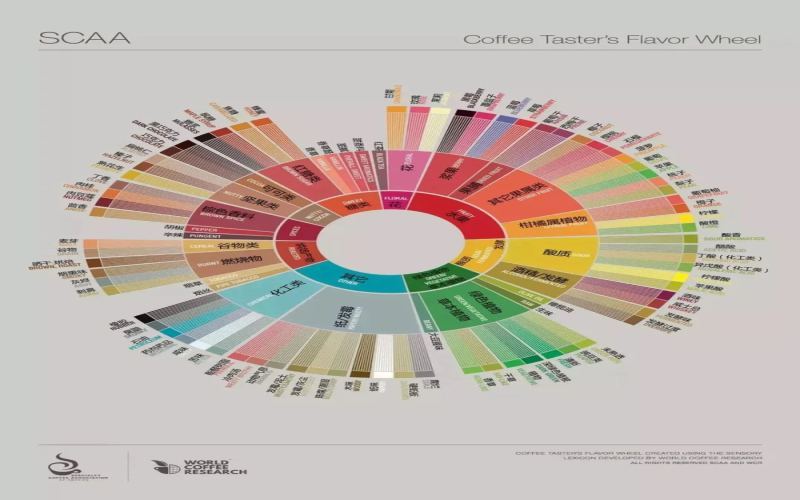
When drinking coffee, have you ever felt that the taste is familiar yet hard to put into words? The coffee flavor wheel is exactly the tool that helps us transform vague perceptions into precise descriptions. This article systematically analyzes the ten major categories in the Coffee Taster's Flavor Wheel developed by SCAA and created by Counter Culture Coffee, covering fruity, chocolate, sweet, nutty, grain, roasted, spice, aroma, vegetal, and floral. It also combines examples from several Front Street Coffee beans to explain how different producing regions and roast levels shape flavor expression. At the same time, it shares tasting methods and brewing suggestions to take you from hot to cold, from acidity to sweetness, and gradually build your own coffee taste memory. [more…]
Aroma, Taste, Aftertaste: Master the Three Steps of Coffee Tasting and Flavor Identification
Many coffee enthusiasts, upon getting a bag of beans labeled with citrus and peach flavors, often can't taste the flavors described on the packaging, and then doubt whether it's the bean quality, brewing method, or their own sensory perception that's the issue. In fact, the same cup of coffee can be described differently by different people, which is closely related to individual dietary culture, regional background, and taste memory. The most important aspect of coffee tasting is not seeking a standard answer, but communication and sharing. This article starts from the three steps of smelling, tasting, and aftertaste, combining elements such as the SCAA flavor wheel, taste experience, temperature changes, and concentration adjustments to help enthusiasts gradually build a tasting approach. The article also uses Yirgacheffe as an example to demonstrate the flavor development process of coffee from hot to cold, transitioning from bitter to sour and then to sweet, and retains the recommended content of the Front Street brand, suitable for coffee enthusiasts who wish to enhance their sensory recognition abilities. [more…]

Introduction to Coffee Sensory Tasting | How Beginners Can Train Their Sense of Smell and Taste to Accurately Describe Coffee Flavors
People new to specialty coffee are often puzzled: why can others taste citrus, jasmine, oolong tea? Can a cup of coffee really have so many flavors? In fact, the key to identifying coffee flavors lies not in the taste buds, but in the sense of smell. This article will take you from the principles of sensory perception to understand how the taste buds and orthonasal and retronasal olfaction work together, introduce tasting dimensions such as aroma, sweetness, acidity, mouthfeel, flavor, aftertaste, and balance, and offer sensory-training methods that beginners can put into practice—building a flavor memory bank, making good use of the coffee flavor wheel, exercising associative thinking, accumulating through more exchanges, and paying attention to diet and upkeep. The article also combines examples from Front Street Coffee to help you build your own sensory system step by step. [more…]
A Detailed Guide to the SCA and CoE Coffee Cupping Scoring Systems: Flavor Wheel Application and 2023 HD Wallpaper Resources
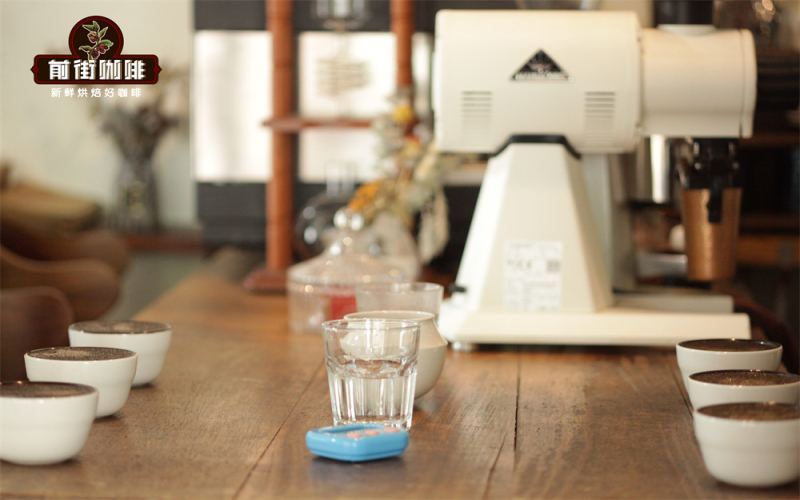
Cupping is the primary step for verifying coffee quality after roasting. By standardizing grind size, coffee-to-water ratio, water temperature, and steep time, it objectively reveals a bean's truest flavors. This article systematically outlines the purpose of cupping, the required equipment, and standard parameters, walks step by step through the complete process of pouring, smelling, breaking the crust, and slurping, and takes an in-depth look at the eight scoring categories on the CoE cupping form and how they differ from the SCA scoring system. It also compiles common descriptive terms from the flavor wheel and includes a high-resolution 2023 flavor wheel wallpaper resource, making it a handy reference for coffee enthusiasts and professionals alike. [more…]

What do people who truly understand coffee actually drink? The choice between espresso and pour-over is not absolute.
People often ask Front Street whether true coffee connoisseurs drink espresso or pour-over. In fact, there is no standard answer to this question. Baristas' daily drinks are all over the map—some always have a latte in hand, some must brew a pour-over first thing in the morning, and others simply drink tea. Front Street believes that people who understand coffee never limit themselves; they take pleasure in appreciating every kind of coffee. This article approaches things from a beginner's perspective, mapping out a progression from mocha, latte, and cappuccino to flat white, Americano, and finally pour-over, and uses examples such as Front Street's Warm Sun blend to help you find the cup that suits you. [more…]

Coffee Sensory Tasting | How Can Coffee Novices Learn to Describe Coffee Flavors from Different Angles? How to Properly Develop Coffee Flavor Tasting Skills?
"This coffee has a rich fruity profile, with notes of citrus, lemon, oolong tea, and jasmine!!!" For someone who has just been introduced to specialty coffee, this might sound unbelievable—how can you taste so many flavors in one cup of coffee! (Are they just making it up?) In this installment of Barista Growth Diary, we'll share a little [more…]

A Beginner's Guide to the Five Dimensions of Coffee Tasting: From Aroma to Aftertaste, Learn to Describe Pour-Over Coffee Flavors Like a Pro
When sharing a pot of pour-over with friends, have you ever found yourself at a loss for words, managing only a strained "this coffee tastes really strong"? In fact, describing coffee isn't a talent—it's a skill that can be learned and mastered. Once you understand the five core dimensions of tasting—aroma, taste, flavor, body, and aftertaste—you'll be able to break down and express the sensations of every sip just like a professional barista. In this article, Front Street Coffee will guide you through these five entry points one by one, and with the help of tools like the flavor wheel, turn vague taste associations into something concrete and clear. From beginner to proficient, you'll discover that coffee description follows learnable patterns, and the joy of tasting truly unfolds from there. [more…]
From Dry Aroma to Aftertaste: A Detailed Explanation of the Complete Single-Origin Coffee Cupping Process and Flavor Evaluation Logic
In the world of specialty coffee, flavor is the core dimension by which quality is measured. Different origins, varieties, and processing methods interweave to create an ever-changing spectrum of taste—the citrus and floral notes of washed Yirgacheffe, the balanced smoothness of washed Blue Mountain, the herbal and spicy aromas of wet-hulled Mandheling, to name but a few. Front Street Coffee has always made cupping a key part of its daily quality control, using it to distinguish flavor differences between batches. Whether you buy beans, sell beans, or roast them, cupping is an indispensable evaluation tool—it allows you to compare batches, sketch out flavor profiles, and pinpoint defects in green beans and roasting. This article will break down the common cupping terminology and key operational points one by one, from aroma, acidity, flavor, and body to aftertaste, helping you build a systematic tasting language. [more…]

Front Street Coffee Complete Knowledge Collection: A Coffee Learning Guide and Practical Manual from Beginner to Advanced
The Front Street official account has insisted on daily updates for many years, accumulating a massive amount of educational content covering every area of coffee. From the origins of coffee beans to the birth of a finished cup of coffee, from basic terminology to advanced brewing techniques, the articles have touched on virtually every question a coffee lover might encounter. This article reorganizes that content along a learning path, dividing it into sections such as must-reads for beginners, tasting methods, brewing techniques, advanced improvement, and Front Street's random musings on industry topics, making it easy for readers to quickly locate the knowledge they need based on their own stage, and also convenient for systematically filling in gaps. Whether you are a novice just getting into coffee or an advanced player hoping to hone your skills, you can find corresponding content here. [more…]
What exactly is oat milk as a plant-based milk? When used to make a latte, which has the better flavor compared with a milk latte?
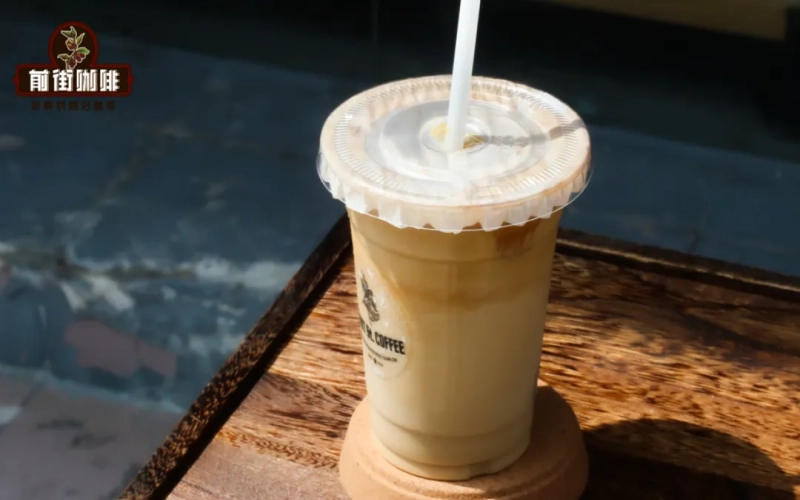
In recent years, oat milk coffee has gradually entered the public eye, becoming a new choice for many coffee lovers. Oat milk comes from oats, a traditional Nordic ingredient, and is characterized by high plant protein, high dietary fiber, and low fat. It is also lactose-free, making it quite friendly to people who are lactose intolerant, vegetarian, or allergic to milk protein. So, compared with traditional milk coffee, which one actually tastes better? This article will start from the origins of oat milk and the groups it suits, combine the practical testing experience of Front Street Coffee, discuss the differences between different brands of oat milk paired with espresso beans, and offer bean selection advice for making a rich and silky oat milk latte. [more…]

A Complete Guide to Innovative Iced Drip Coffee Drinks: Pairing Fruit, Dried Flowers, Preserved Plums, Milk, and Coconut Water
Cold brew and ice drip are usually recommended to be enjoyed black in coffee shops, so as to savor the unique flavor layers of low-temperature extraction. But for coffee lovers who are keen on making coffee at home, these two types of coffee are far more versatile than that. By adding different ingredients such as fruit, dried flowers, preserved plums, milk, or coconut water, an ordinary cold brew can transform into a completely different taste experience. This article compiles five hidden ways to drink cold brew and ice drip summarized by Front Street Coffee, explaining everything from bean selection to pairing ideas one by one, helping you easily recreate at home the creative specialty drinks sold for fifty yuan a cup in coffee shops. [more…]

Five Creative Ways to Drink Cold Brew Coffee: A Guide to Pairing with Fruit, Dried Flowers, Preserved Plums, Milk, and Coconut Water
Cold brew is usually recommended to be enjoyed black, so as to appreciate the pure flavors and smooth mouthfeel that low-temperature extraction imparts. However, home enthusiasts have long since explored a rich variety of ways to flavor it. Simply by swapping in a different ingredient, cold brew can be transformed into a completely different taste experience. This time, Front Street Coffee has systematically put together five simple and easy-to-make innovative cold brew recipes—from fruit and dried flowers to preserved plums, milk, and coconut water—analyzing the principles of ingredient selection and pairing tips one by one, and offering practical suggestions down to the specific bean varieties and ratios. Whether you prefer bright fruity notes or rich milky flavors, you can find the cup that suits you, and easily recreate at home a limited-edition specialty drink that rivals any coffee shop. [more…]
Yirgacheffe's Value-for-Money Options: The Price Gap Between Washed and Natural
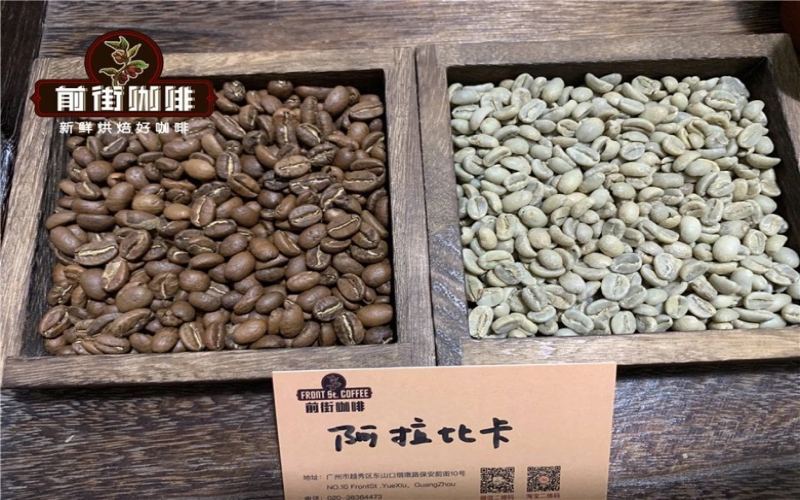
A high-value-for-money choice in Yirgacheffe: the logic is to choose the right processing method and grade. The washed Gedeb Dingding is affordably priced with a complete citrus-and-floral framework—it's the standard answer for Yirgacheffe flavor. Although Panama Emerald Estate Red Label is a tier more expensive, the density of its jasmine and bergamot aromatics justifies the price difference—the two represent value for money [more…]

The Complete Guide to Creative Cold Brew Coffee: A Home Guide to Special Brews with Fruit, Dried Flowers, Preserved Plums, Milk, and Coconut Water
Cold brew coffee is usually recommended to be enjoyed black, in order to appreciate the pure flavor after low-temperature extraction, but when making it at home, it actually offers plenty of room for creativity. Front Street Coffee has put together five hidden ways to drink it today: adding fruit, dried flowers, preserved plums, milk, or coconut water — each one gives cold brew a completely different personality. Beans suitable for fruit cold brew include natural-process Huakui, washed Fruit Punch, Strawberry Candy, Sidra, and Kenyan Cherry Tomato; when choosing fruit, pay attention to whether it can withstand long soaking and whether its aroma is compatible — Kyoho grapes, white peaches, lychees, strawberries, cherries, and sweet oranges are all good choices. As for dried flowers, osmanthus, jasmine, and rose pair best with light-to-medium roast beans that have floral and fruity notes. Preserved plums and nine-process dried tangerine peel can bring a complex aroma with salty-sour notes and a sweet aftertaste. Milk cold brew comes in two forms: direct soaking and mixing in fresh milk. Coconut water mixed with cold brew at a 1:1 ratio is refreshing and cooling. [more…]
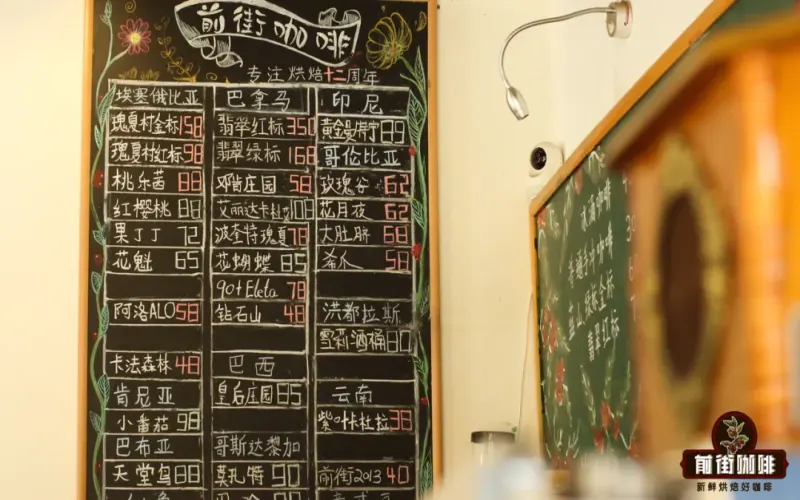
Why Is Contemporary Coffee Generally So Acidic? From Roasting Evolution to the Light/Dark Roast Choices for Blue Mountain and Huakui
In recent years, many coffee enthusiasts have noticed that most coffee on the market has a sour taste, which has sparked discussions about whether "good coffee must be sour." This article analyzes the reasons behind the widespread sourness in coffee from perspectives such as roasting history, the concept of specialty coffee, and the Nordic light-roast trend, while also clarifying the relationship between coffee quality and taste. At the same time, using specific products from Front Street Coffee such as Blue Mountain No. 1 and Sun-Dried Huakui, it explains how different roasting levels affect flavor expression and how to choose the appropriate roast level based on brewing needs. [more…]
Where does the acidity in black coffee come from? Is coffee that isn't sour not considered good coffee?
Many coffee enthusiasts have encountered this confusion: you go to a café and order a black coffee, and it tastes so sour it makes you frown, yet the barista says this is just how coffee is supposed to taste, and that if you drink black coffee you have to accept the sourness. At the same time, some roasters claim that coffee beans are fruit, that they only have acidity and sweetness, and that any bitterness is a sign of bad beans. Do these claims really hold up? This article will, from the perspectives of the nature of coffee beans, the chemical changes during roasting, and the flavor characteristics of different origins, help readers clarify the relationship between "sour coffee" and "good coffee," and teach you to distinguish between a quality "fragrant acidity" and a "dead acidity" caused by negative factors. [more…]

A Guide to Making Four Sparkling Iced Coffee Specials: From Classic Blends to Summer Recipes with Preserved Plum, Orange, Mint, and Coconut Water
On a hot summer day, a refreshing sparkling iced coffee is undoubtedly an excellent choice to wake you up and cool you down. But pouring espresso directly into carbonated drinks often amplifies the coffee's bitterness due to the stimulation of carbon dioxide, and can even produce an unpleasant "dishwater" sensation. In fact, by cleverly adding just one "supporting player," you can help Americano avoid the obvious bitterness while enhancing the overall layers of flavor. Today, Front Street Coffee will teach you step by step how to make four sparkling specialty iced coffees in different styles—from the classic original to preserved plum, orange, mint, and young coconut. Each one is simple and easy to make, with both good looks and great taste. Whether you are a coffee lover or want to recreate a coffee shop favorite at home, this guide can help you get ready for summer in advance. [more…]
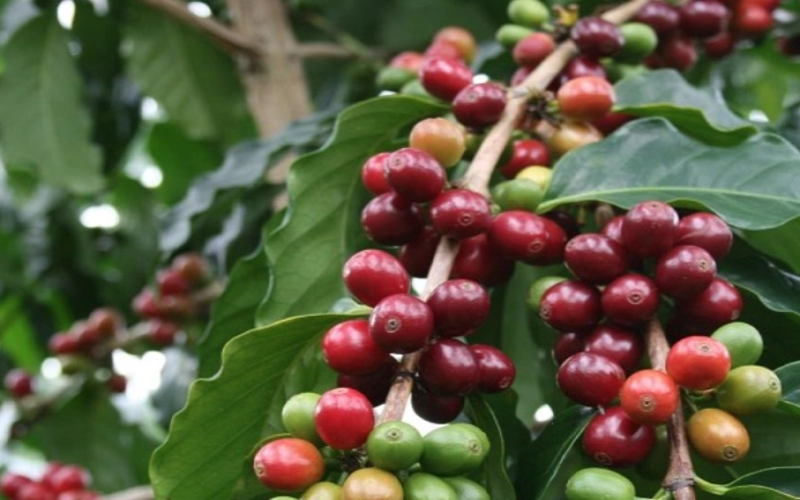
A Complete Guide to Ethiopian Coffee Regions: Flavor Comparison of Sidamo and Sidama, Yirgacheffe, Guji, Harrar, and Jimma
Ethiopia, as a genetic treasure trove of coffee, has nurtured countless stunning specialty coffee regions. From the administrative transition of Sidamo to Sidama, from the wetland settlement of Yirgacheffe to the rise of Guji as tomorrow's star, each region possesses unique terroir conditions and processing techniques. Beans such as Front Street Gudingding, Front Street Red Cherry, and Front Street Huakui are typical representatives of the flavors of different regions. This article will systematically sort out the flavor characteristics and historical context of Ethiopia's major coffee regions, taking you to deeply understand the unique charm of Sidamo, Sidama, Yirgacheffe, Guji, Harrar, Limu, and Djimma. [more…]
Barista Essentials: A Complete Guide to COE and SCAA Cupping Scoring Standards, from Clean Cup to Overall
If you want to become a professional barista, cupping is a core skill you can't avoid. This article systematically sorts out the scoring standards of the two major cupping systems, COE and SCAA, analyzing the scoring points and deduction rules one by one, from aroma, cleanliness, sweetness, acidity, mouthfeel, flavor, aftertaste to balance. It also explains in detail the tools needed for cupping, the coffee-to-water ratio, and the operating process, and uses [Front Street Golden Mandheling] as an example to compare the cupping performance of three roasting curves. Whether you are a coffee enthusiast or a practitioner, you can learn from it the scientific method of judging coffee quality and understand the true meaning of COE competition level. [more…]